Acupuncture
Learn about acupuncture, a low-cost therapy using thin needles to manage pain and stress. Understand the procedure, expected results, and safety for U.S.…
- Success rate
- 55% - 92% (range)
- Avg cost (US)
- Low-cost
- Recovery
- 0 days
- US volume / yr
- 15-20 million (range)
Browse verified integrative medicine providers who offer this procedure.
Acupuncture is primarily used for individuals seeking relief from various types of pain. It is also increasingly utilized by those managing stress or looking to improve overall wellness and motor rehabilitation.
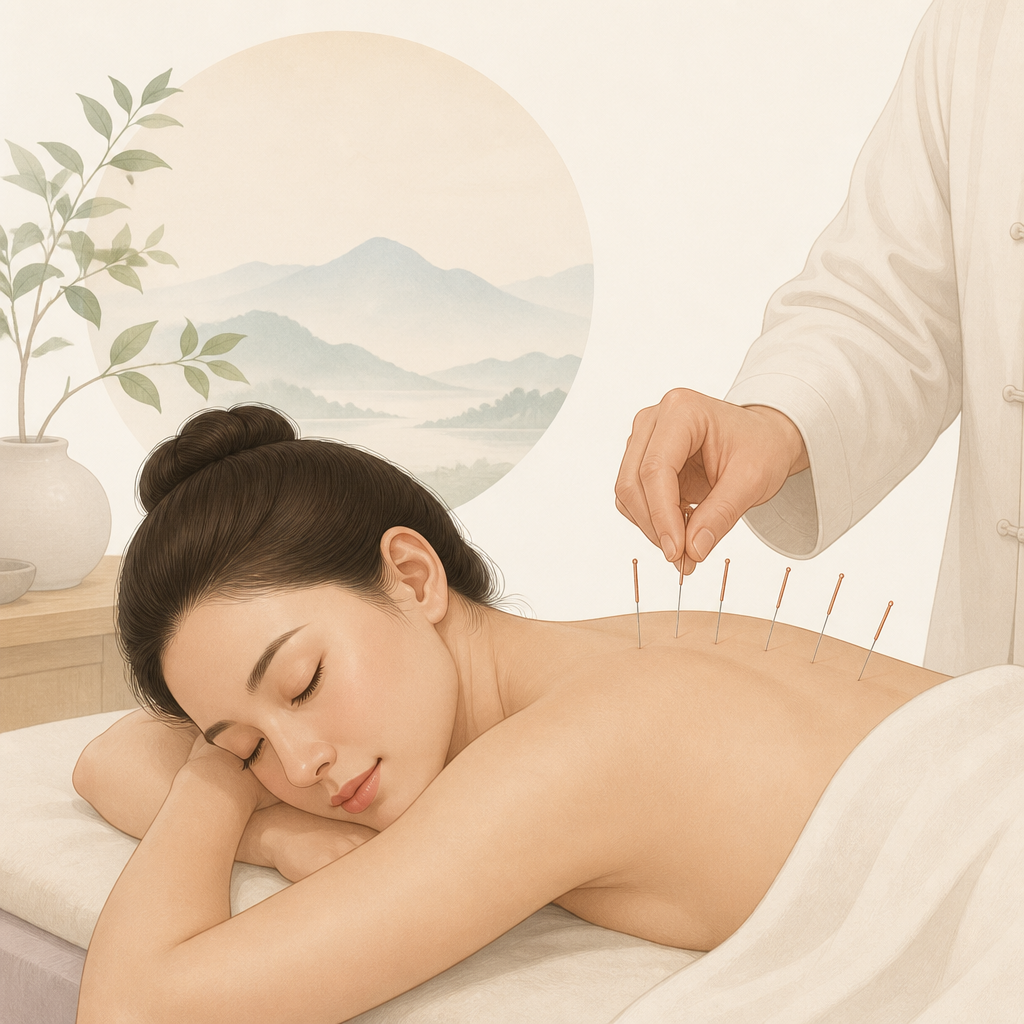
During the session, a practitioner inserts very thin needles into specific points on your body. Most people feel minimal discomfort as the needles are placed, and the process is often used as a non-drug approach to health.
There is typically no downtime required after a session. You can generally return to your normal daily activities immediately, though some people feel relaxed or energized following the treatment.
While specific practitioner fees vary by region and expertise, the raw cost of consumables used in the treatment is very low, often cited at less than $5 per patient.
Questions to ask your doctor
- What are your credentials and specific training in acupuncture?
- How many treatments do you estimate I will need for my condition?
- Do you have experience treating my specific symptoms?
- Will my health insurance cover any portion of the treatment cost?
- Are there any risks or side effects I should be aware of based on my health history?
Frequently asked
Most patients experience very little discomfort as the thin needles are inserted; you may feel a mild dull ache or tingling sensation.
When performed by a trained, licensed professional using sterile, single-use needles, acupuncture is considered very safe with few side effects.
It is most frequently used to treat various types of pain, but it is also used for stress management and rehabilitation after events like a stroke.
Deep dive: Acupuncture Benefits in 2026: A Guide to Integrative Relief
In the evolving landscape of 2026 healthcare, the bridge between traditional Eastern wisdom and modern Western science has never been stronger. Acupuncture, once considered an "alternative" therapy, is now a cornerstone of many integrative medicine programs at leading medical centers. As we look at the latest clinical trends, acupuncture is increasingly recognized not just for pain management, but as a sophisticated tool for regulating the nervous system and improving overall quality of life.
Who it's for
Acupuncture is no longer a niche treatment for back pain; it has become a versatile option for patients across the health spectrum. In current clinical practice, we see three primary groups seeking this treatment.
The first group includes those managing chronic pain conditions, such as osteoarthritis, migraines, and fibromyalgia. With the 2026 healthcare shift toward non-pharmacological pain management, many patients use acupuncture to reduce their reliance on daily medications.
The second group includes patients navigating complex systemic issues. This includes hormonal imbalances, digestive disorders like IBS, and reproductive health concerns. It is now standard practice in many fertility clinics to use acupuncture alongside IVF treatments to improve success rates.
Finally, a growing segment of patients uses acupuncture for mental health and preventative wellness. In an era of high digital stress, acupuncture is a powerful intervention for anxiety, insomnia, and chronic "burnout." It is for anyone looking for a holistic approach that treats the person, not just the symptom.
How it works
At its simplest level, acupuncture involves the insertion of hair-thin, sterile needles into specific points on the body. But how does this actually translate to healing? In 2026, we describe this through the lens of "neuro-modulation."
When a needle is inserted into an acupuncture point, it stimulates sensory nerves under the skin and in the muscles. This sends a signal to the brain and spinal cord, triggering the release of the body’s natural painkillers, such as endorphins and enkephalins.
Beyond pain relief, modern research shows that acupuncture influences the autonomic nervous system. It helps shift the body from a "fight or flight" (sympathetic) state into a "rest and digest" (parasympathetic) state. This shift lowers cortisol levels, reduces systemic inflammation, and improves blood circulation. By improving local blood flow to damaged tissues and regulating the central nervous system, acupuncture helps the body’s own self-healing mechanisms work more efficiently.
Recovery & timeline
Acupuncture is a cumulative therapy, meaning the effects build on one another over time. While some patients feel a "floating" sensation or immediate relaxation during their first session, the most significant changes usually occur after a series of treatments.
For acute issues, such as a recent sports injury, you might see results in 3 to 5 sessions. For chronic conditions that have existed for years, a typical initial plan involves 8 to 12 sessions, usually scheduled once or twice or week. Once your symptoms are under control, many patients move to a "maintenance" phase, checking in once a month to keep their systems balanced.
There is virtually no "downtime" after a session. You may feel slightly drowsy or exceptionally relaxed for an hour afterward—often referred to as an "acu-glow." Most patients can return to work or light exercise immediately, though we generally recommend staying well-hydrated and avoiding intense, high-impact workouts for the remainder of the day to let the nervous system settle.
Cost & insurance
The financial landscape for acupuncture has changed significantly over the last few years. By 2026, most major private insurance carriers, as well as Medicare and many Medicaid programs, provide coverage for acupuncture, particularly for chronic low back pain and migraines.
Out-of-pocket costs for a session typically range from $90 to $160 for a private treatment, depending on your geographic location. Many integrative clinics also offer "community acupuncture" settings—where multiple patients are treated in a quiet, shared space—which can lower the cost to $40 to $60 per session.
Most patients can use their Health Savings Account (HSA) or Flexible Spending Account (FSA) funds to pay for acupuncture. When checking your benefits, ask your provider if they cover "CPT codes 97810 and 97811," which are the standard billing codes for the procedure.
Risks & alternatives
Acupuncture is remarkably safe when performed by a qualified professional. The needles are single-use, sterile, and discarded after every session. Side effects are rare and generally mild, including minor bruising at the needle site, a dull ache during treatment, or temporary lightheadedness.
It is important to note that acupuncture is not a "magic bullet" for every condition. It should be used as part of a comprehensive care plan. If you have a blood clotting disorder or are taking blood thinners, you must inform your practitioner, though treatment is usually still possible.
For those who are needle-phobic, modern integrative medicine offers several alternatives that work on the same principles:
- Acupressure: Using firm manual pressure instead of needles.
- Laser Acupuncture: Using low-level light therapy to stimulate points.
- Electro-acupuncture: Using a small, gentle electric current through the needles to enhance the effect.
- Cuppings: Using suction to improve blood flow and release muscle tension.
How to choose a provider
The most critical step in your journey is finding a licensed and experienced practitioner. In the United States, look for the "L.Ac." (Licensed Acupuncturist) credential. This indicates the provider has completed a Master’s or Doctorate program in Traditional Chinese Medicine and passed the national board exams (NCCAOM).
Some medical doctors (MDs) or physical therapists (PTs) practice "medical acupuncture" or "dry needling." While these can be effective for localized muscle pain, a Licensed Acupuncturist typically has thousands of hours more training in the systemic and holistic aspects of the practice.
When choosing a provider, ask about their experience with your specific condition. A good practitioner will offer a clear treatment plan, explain their logic in plain language, and be willing to coordinate care with your primary physician or specialist. In 2026, the best practitioners are those who speak the language of both ancient tradition and modern physiology.
If you are ready to experience how acupuncture can support your journey toward optimal health, contact our office today to book your initial consultation.
Sources
Find a board-certified integrative medicine provider in your area.
General information only — not medical advice. Always consult a qualified clinician for your specific situation.