Cold Laser Therapy
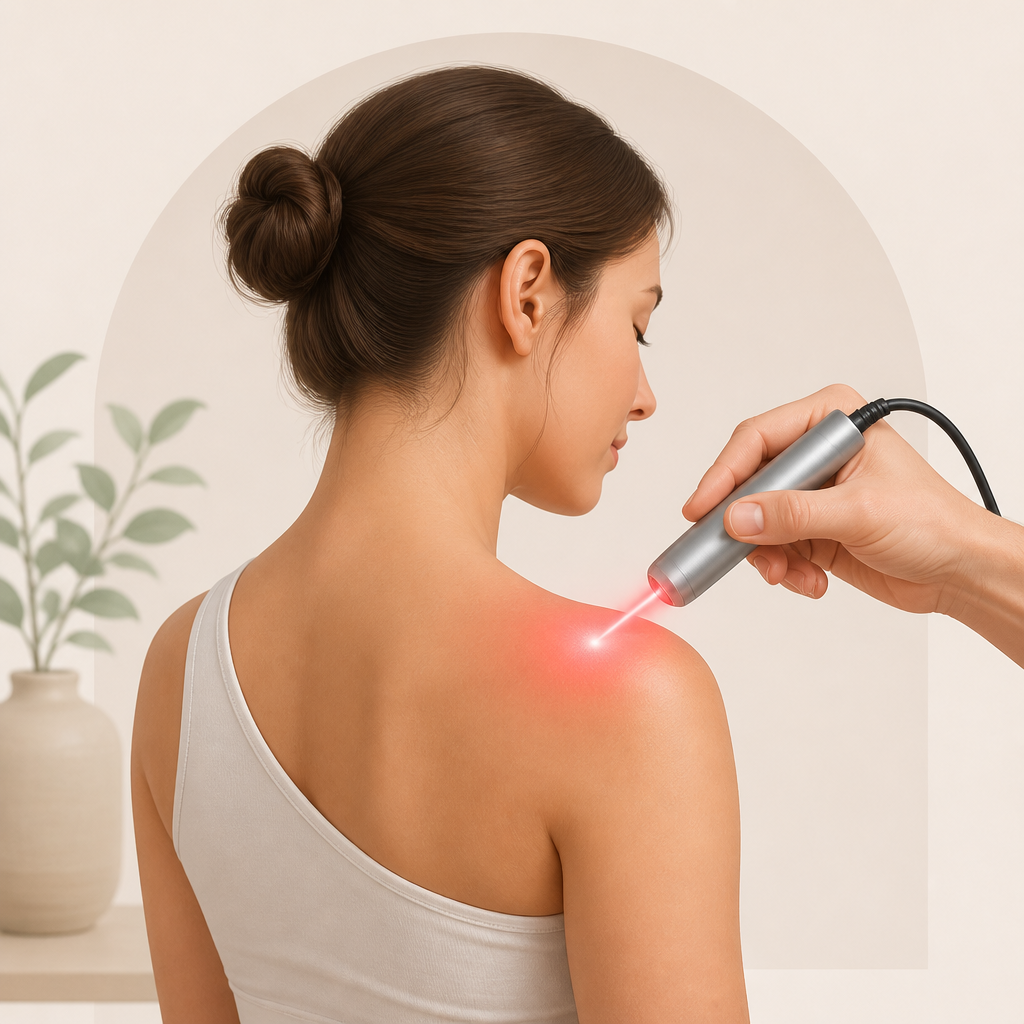
Cold laser therapy is a non-invasive treatment that uses low-level light to reduce inflammation, manage chronic neck pain, and promote natural tissue healing.
- Success rate
- 60% - 80% (range)
- Avg cost (US)
- $50 - $150 per session
- Recovery
- 0 days
- US volume / yr
- 1,000,000+ (range)
Browse verified chiropractic providers who offer this procedure.
This therapy is used for individuals seeking relief from chronic neck pain, musculoskeletal injuries, and inflammatory conditions without the use of surgery or heavy medication.
During the procedure, a handheld device is held over the treatment area for several minutes. You will feel no heat or pain, as the low-level light works to stimulate cellular repair and reduce inflammation.
There is no downtime required after a cold laser session. Patients can typically return to their normal daily activities immediately following the appointment.
Pricing typically varies based on the number of sessions required and the specific provider's location.
Questions to ask your doctor
- How many sessions will I need to see results for my specific condition?
- Is this treatment covered by my health insurance plan?
- Are there any contraindications with my current medications?
- What specific type of laser equipment do you use?
- What kind of training or certification do you have for LLLT?
Frequently asked
No, cold laser therapy is painless and does not produce heat or vibration.
Most sessions are fast, often lasting between 5 and 20 minutes depending on the area being treated.
Studies indicate the procedure is safe with virtually no known adverse side effects when used correctly.
While some feel immediate relief, most patients require multiple sessions to achieve significant long-term results.
Deep dive: 2026 Guide to Cold Laser Therapy: Benefits & Pain Relief
Medical Disclaimer: The information provided in this post is for educational purposes only and does not constitute medical advice, diagnosis, or treatment. Always seek the advice of your physician or other qualified health provider with any questions you may have regarding a medical condition.
As we move further into 2026, the landscape of chiropractic care has evolved beyond just manual adjustments. One of the most significant breakthroughs in non-invasive pain management is the widespread adoption of Cold Laser Therapy, also known as Low-Level Laser Therapy (LLLT) or Photobiomodulation. While the technology isn't brand new, the precision and power of the devices available today have transformed it into a cornerstone of modern rehabilitative care.
If you are struggling with persistent pain and are looking for a solution that doesn't involve surgery or reliance on pharmaceuticals, cold laser therapy may be the missing piece of your recovery puzzle.
Who it's for
Cold laser therapy is remarkably versatile, making it an excellent option for a wide demographic of patients. In a chiropractic setting, we primarily use it for individuals dealing with musculoskeletal issues and nerve-related discomfort.
Athletes—both professional and "weekend warriors"—frequently utilize this technology to accelerate the healing of sports injuries like ligament sprains, muscle strains, and tendonitis (such as tennis elbow or Achilles issues). Because the treatment reduces inflammation so effectively, it helps active individuals get back to their training schedules much faster than rest alone.
For chronic pain sufferers, cold laser therapy offers a new lease on life. It is highly effective for those dealing with osteoarthritis, rheumatoid arthritis, and chronic lower back or neck pain. It is also a game-changer for patients suffering from neuropathy—the tingling, numbness, and burning sensations often associated with diabetes or spinal issues—as the light energy helps stimulate nerve repair.
Even those recovering from recent surgeries find value in cold laser therapy, as it can be applied to incision sites to minimize scar tissue formation and reduce post-operative swelling. Essentially, if you have an area of the body that is inflamed, painful, or slow to heal, you are a likely candidate.
How it works
The term "cold laser" can be confusing. It doesn't mean the device feels cold; rather, it refers to the fact that the light used does not produce significant heat. Unlike surgical lasers that cut through tissue, a cold laser uses specific wavelengths of light to penetrate the skin and interact with your cells.
Think of it like photosynthesis in plants. Just as plants absorb sunlight to create energy, your body's cells absorb the light energy (photons) from the laser. Once absorbed, this energy triggers a series of biological events within the mitochondria—the powerhouses of your cells.
This process, called photobiomodulation, results in three primary benefits:
- Increased Cellular Energy: Your cells produce more ATP (adenosine triphosphate), which gives them the fuel they need to repair damage at an accelerated rate.
- Reduced Inflammation: The laser inhibits the enzymes that cause swelling and pain, providing a natural anti-inflammatory effect.
- Enhanced Blood Flow: The treatment promotes vasodilation, bringing oxygen-rich blood and nutrients to the injured area while flushing out cellular waste.
During a typical session, your provider will hold the handheld laser device directly against your skin or slightly above it for several minutes. You won't feel any pain, vibration, or heat—most patients feel nothing at all, while some report a very slight, pleasant tingling sensation.
Recovery & timeline
One of the most appealing aspects of cold laser therapy in 2026 is that there is absolutely zero "recovery time." You can walk out of the clinic and immediately return to your daily activities, including exercise, unless otherwise directed by your chiropractor based on the nature of your injury.
However, it is important to understand that cold laser therapy is a cumulative treatment. While some patients report feeling a decrease in pain after a single session, the biological changes required for long-term healing take time.
A typical treatment plan often involves 2 to 3 sessions per week for a period of 3 to 6 weeks. Acute injuries, like a fresh ankle sprain, may resolve in just 4 to 6 sessions. Chronic conditions, such as long-term degenerative disc disease or severe neuropathy, may require 12 to 15 sessions to achieve maximum benefit. Your chiropractor will monitor your progress and adjust the frequency as your symptoms improve.
Cost & insurance
In 2026, the cost of cold laser therapy remains a common question. On average, a single session ranges from $50 to $150, depending on the geographic location and the complexity of the area being treated. Many clinics offer "package pricing" to make a full course of treatment more affordable.
When it comes to insurance, the landscape is still a bit of a mixed bag. Many major medical insurance providers classify cold laser therapy as "experimental" or "investigational," meaning they may not cover the cost directly. However, if your chiropractor incorporates the laser as part of a larger physical therapy or chiropractic session, parts of the visit may be covered.
The good news is that most Health Savings Accounts (HSA) and Flexible Spending Accounts (FSA) allow you to use pre-tax dollars to pay for cold laser therapy. Furthermore, many patients find that the out-of-pocket cost is significantly lower than the long-term expenses associated with chronic medication, repeated steroid injections, or the high deductibles and lost wages related to surgery.
Risks & alternatives
Cold laser therapy is one of the safest treatments in the medical field today. It is non-invasive, non-toxic, and has no known side effects when used correctly. The primary precaution is ocular safety; both the patient and the provider must wear protective goggles to prevent the laser light from damaging the retina.
There are a few contraindications: it should not be used directly over a known cancerous tumor, over the thyroid gland, or directly over a developing fetus in pregnant women.
If cold laser therapy isn't the right fit for you, there are alternatives. Traditional chiropractic adjustments, therapeutic ultrasound, shockwave therapy (EPAT), and trigger point therapy are all effective non-surgical options. Your chiropractor will help you weigh these alternatives based on your specific diagnosis and health history.
How to choose a provider
As the popularity of this technology grows, it is important to choose a provider who utilizes medical-grade equipment. In 2026, there are many "at-home" laser devices available online, but these are often significantly underpowered compared to the Class IV or high-end Class IIIb lasers used in professional chiropractic clinics.
When choosing a provider, look for the following:
- Certification: Ensure the chiropractor or technician has specific training in laser safety and photobiomodulation protocols.
- Technology: Ask what class of laser they use. Higher-powered lasers can reach deeper tissues and often require shorter treatment times.
- Integrated Care: The best results usually come from providers who combine laser therapy with other modalities, such as corrective exercises or spinal adjustments, rather than using the laser as a standalone "magic wand."
If you are tired of managing pain with ice packs and pills, it is time to see how the light-speed technology of 2026 can help you regain your mobility and comfort.
Contact our office today to schedule a consultation and discover if cold laser therapy is the right path for your recovery.
Related patient questions
Sources
- Evaluation of Efficacy of Low-Level Laser Therapy - PMC
- Low Level Laser Therapy (LLLT) for Neck Pain - PMC - NIH
- Low-level laser (light) therapy (LLLT) in skin - PMC - NIH
- Laser Light Therapy in Inflammatory, Musculoskeletal, and ... - PMC
- Low level laser therapy as a modality to attenuate cytokine storm at ...
Find a board-certified chiropractic provider in your area.
General information only — not medical advice. Always consult a qualified clinician for your specific situation.