Pacemaker Implantation
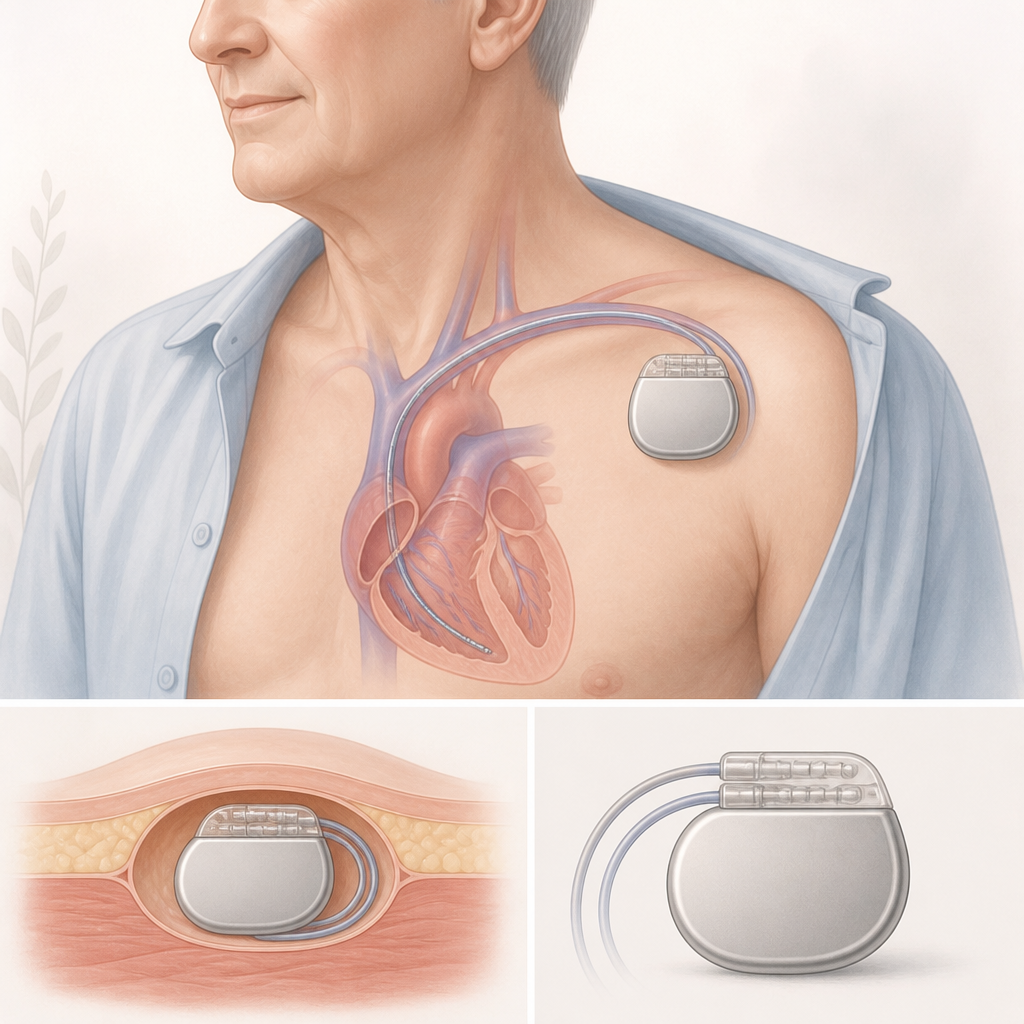
A pacemaker implantation is a surgical procedure to place a small, battery-powered device under the skin, usually near the collarbone. The device monitors…
- Success rate
- High (range)
- Avg cost (US)
- $165,000-$172,000 (range)
- Recovery
- 2-7 days (range)
- US volume / yr
- 200,000-400,000 (range)
Browse verified cardiology providers who offer this procedure.
This procedure is designed for individuals with bradycardia (a slow heartbeat) or certain heart rhythm disorders that prevent the heart from pumping effectively. It is commonly used for patients experiencing heart block, including those who develop rhythm issues following heart valve surgery.
The surgery is generally considered safe and is performed in a hospital or specialized heart clinic. During the procedure, a doctor inserts flexible wires into a vein near the shoulder and threads them to the heart using X-ray guidance. The wires are connected to the small pulse generator, which is tucked into a small pocket created under the skin. Most patients are awake but sedated during the process.
Recovery is typically quick, though physical activity may be restricted for a short period. Patients are usually advised to avoid vigorous exercise or heavy lifting for a few weeks to allow the device and wires to settle. Most people can return to their normal daily routine, including work, within a matter of days.
The cost varies significantly depending on the urgency of the procedure and whether it follows another surgery; research indicates total related medical costs can range from $165,000 to over $171,000 for complex hospital stays involving valve surgery and pacing.
Questions to ask your doctor
- Why is a pacemaker the best option for my specific heart rhythm?
- How long is the battery expected to last in this specific model?
- What specific activities or electronics should I avoid after the device is implanted?
- How often will I need to have the device checked by a specialist?
- Will I be able to undergo an MRI in the future with this device?
Frequently asked
Among elderly patients, survival rates are approximately 90% after one year and can range from 45% to 58% after five years, depending on the patient's age and health conditions at the time of implantation.
Yes, but it is generally recommended to keep cellphones at least 6 inches away from the device and to hold the phone to the ear on the opposite side of the implantation.
While it is a surgical intervention with potential risks, it is generally considered a safe procedure with a high success rate.
Deep dive: Pacemaker Implantation 2026: Recovery, Costs, and Benefits
Disclaimer: This article is for educational purposes only and does not constitute medical advice, diagnosis, or treatment. Always seek the advice of your physician or other qualified health provider with any questions you may have regarding a medical condition.
The field of cardiac rhythm management has seen incredible leaps forward as we move through 2026. While the concept of a pacemaker is not new, the technology behind these life-saving devices has become more sophisticated, less invasive, and more integrated with our digital lives than ever before. If you or a loved one have been told that a pacemaker is necessary, understanding the modern landscape of this procedure can replace anxiety with confidence.
Who it's for
A pacemaker is primarily prescribed for individuals whose hearts beat too slowly (bradycardia) or irregularly (arrhythmia). When the heart’s natural electrical system fails to send consistent signals, the heart cannot pump enough oxygen-rich blood to the body, leading to symptoms that can significantly diminish your quality of life.
You might be a candidate for a pacemaker if you regularly experience:
- Chronic Fatigue: Feeling exhausted even after a full night’s sleep.
- Dizziness or Syncope: Frequent lightheadedness or unexplained fainting spells.
- Shortness of Breath: Difficulty catching your breath during mild physical activity.
- Exercise Intolerance: An inability to keep up with activities you previously enjoyed.
In 2026, we also see pacemakers being used more frequently for patients with specific types of heart failure (Cardiac Resynchronization Therapy) to help the heart’s chambers beat in a coordinated fashion. Whether due to aging, heart tissue damage from a previous heart attack, or genetic conditions, a pacemaker acts as a reliable "backup" to ensure your heart never misses a beat.
How it works
The core function of a pacemaker is to monitor your heart’s electrical activity 24/7. If the device senses that your heart rate has dropped below a programmed threshold, it sends a tiny, painless electrical impulse to stimulate the heart muscle.
Modern pacemakers in 2026 generally fall into two categories:
- Traditional Transvenous Pacemakers: These consist of a small metal generator implanted just under the skin of the chest (near the collarbone). One or more wires (leads) are threaded through a vein and attached to the heart wall.
- Leadless Pacemakers: A breakthrough technology that has become mainstream in 2026. These are tiny capsules—roughly the size of a large vitamin—that are implanted directly into the heart’s right ventricle via a catheter in the groin. There are no wires and no surgical "pocket" in the chest.
Today’s devices are also "smart." Most now feature Bluetooth connectivity that syncs with an app on your smartphone, allowing your cardiology team to monitor the device’s performance and your heart rhythm remotely. This reduces the need for frequent in-office "interrogations" of the device.
Recovery & timeline
The procedure itself is typically performed under local anesthesia with sedation and takes between 30 and 90 minutes. Most patients are able to go home the same day or after a single night of observation.
- Days 1-7: For traditional pacemakers, you will have a small incision in your chest. You must keep this area dry and avoid lifting your arm on the procedure side above shoulder height to prevent the leads from moving. For leadless pacemakers, recovery is even faster, usually involving just a small bandage on the groin.
- Weeks 2-4: Most patients return to light desk work within a few days. By week four, the incision is usually healed, and your doctor will likely clear you for more vigorous activity.
- Long-term: In 2026, pacemaker batteries are designed to last between 10 and 15 years, depending on how often the device needs to "fire." Your cardiology team will monitor battery life through your remote app and schedule a simple generator replacement when the time comes.
Cost & insurance
In 2026, pacemaker implantation is considered a standard-of-care procedure and is widely covered by Medicare, Medicaid, and private insurance providers, provided there is a documented medical necessity (such as symptomatic bradycardia).
- In-Network Costs: If you remain within your insurance network, out-of-pocket costs typically include your deductible and a percentage of coinsurance.
- Leadless vs. Traditional: While leadless pacemakers have a higher "sticker price" for the hardware, many insurers now favor them for specific patients because they carry a lower risk of long-term lead complications, potentially saving money on future repairs.
- Remote Monitoring: Most insurance plans now cover the monthly "remote monitoring" fees, which allow your doctor to check your device data digitally.
Always request a "Good Faith Estimate" from your provider. In 2026, price transparency laws make it easier for patients to see the bundled cost of the surgeon’s fee, the device, and the facility fee before the procedure.
Risks & alternatives
Though pacemaker implantation is one of the most common and safest cardiac procedures, it is not without risks. These include:
- Infection: At the site of the generator or leads.
- Lead Displacement: In traditional models, a wire may wiggle out of place and require adjustment.
- Hematoma: Bruising or bleeding at the incision site.
Alternatives: For some patients, adjusting medications may help manage heart rate, though this is often a temporary fix. In cases where the heart rhythm issue is caused by a specific "misfiring" area of heart tissue, an ablation—a procedure that uses heat or cold energy to create tiny scars in the heart—might be an alternative or a complementary treatment. However, if the heart’s natural "spark plug" is failing, a pacemaker remains the gold standard.
How to choose a provider
Choosing where to have your pacemaker implanted is a decision that impacts your health for the next decade. When evaluating providers in 2026, consider the following:
- Electrophysiology (EP) Expertise: You should look for a board-certified Cardiac Electrophysiologist. While general cardiologists are experts in the heart, EPs are the "electricians" of the heart who specialize specifically in rhythm disorders.
- Volume and Experience: Ask how many implants the facility performs annually. High-volume centers typically have lower complication rates.
- Technology Access: Ensure the provider offers the latest options, including leadless pacemakers and MRI-compatible devices (which allow you to safely undergo MRI scans in the future).
- Remote Monitoring Infrastructure: Choose a clinic that has a dedicated team for reviewing remote data. You want a provider that is proactive about the digital data your device sends them.
Modern pacemakers are not just about keeping you alive; they are about giving you your life back. With the right device and a skilled team, you can return to the activities you love with the peace of mind that your heart is being perfectly timed.
If you are experiencing shortness of breath or dizziness, contact our cardiology team today to schedule an evaluation and see if a pacemaker is the right step for your heart health.
Related patient questions
Sources
Find a board-certified cardiology provider in your area.
General information only — not medical advice. Always consult a qualified clinician for your specific situation.